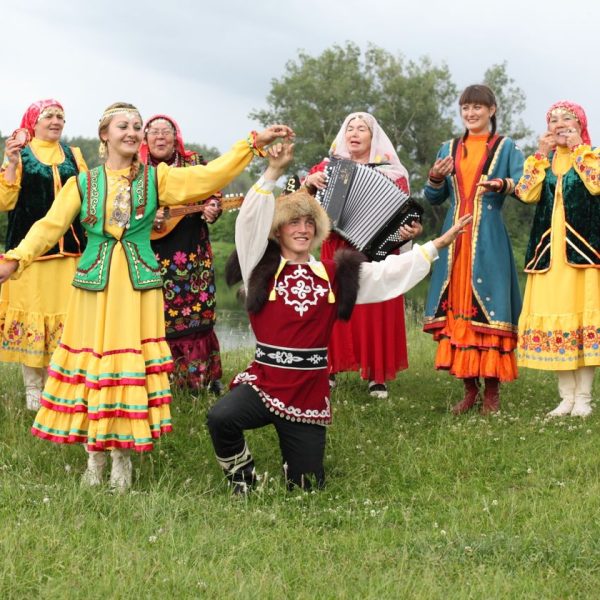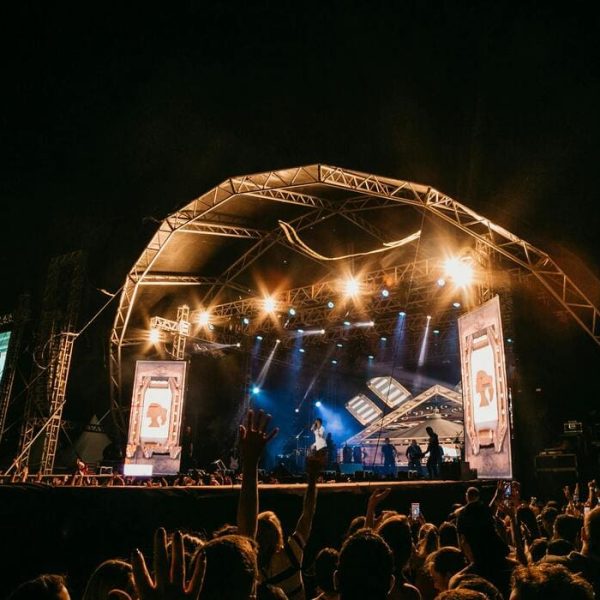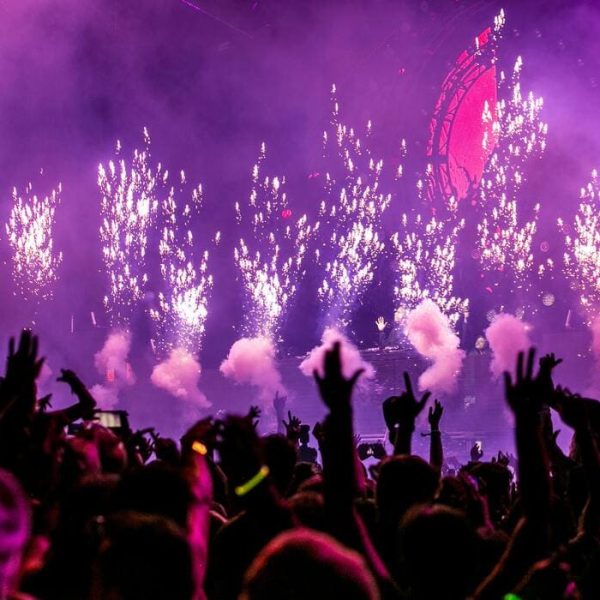

At a summer festival in Paris or Montreal the loudest singalong of the night often comes in a language most of the crowd never studied. Fans shout choruses in Haitian or Antillean Creole with total confidence. They may not know every word yet they feel every line. That moment shows how far Caribbean music has traveled and how much its lyrics still matter to the people who carry them across borders.
From Island Dance Halls to World Stages
Caribbean music has always mixed influences. African rhythms met European instruments and local stories in the islands and new genres were born. In the late 1970s and early 1980s musicians from Guadeloupe and Martinique created zouk and took it on tour across Europe and Africa. The band Kassav became the face of that movement and sang almost entirely in Creole.
Haiti gave the world kompa with its steady groove and romantic vocals. Jamaica exported reggae and dancehall with lyrics in Patois. Each style grew from local speech and each one proved that a song does not need English to fill an arena.
Streaming has multiplied that reach. A track recorded in a small studio in Port au Prince can now land on playlists in Lagos and Tokyo within days. Listeners discover the sound first and then start searching for what the words mean.
What Makes Creole Lyrics Special
A creole language forms when communities with different mother tongues build a shared way of speaking that later becomes a native language for new generations. Many Caribbean creoles draw most of their vocabulary from French or English while their grammar follows its own logic. That blend gives songwriters a rich palette of sounds and images.
Haitian Creole is spoken by around twelve million people and it is an official language of Haiti alongside French. For decades it was seen as a lower form of speech in schools and offices. Music helped change that view. Artists used Creole to talk about love and politics and daily struggle and fans embraced it as a proud marker of identity.
Wordplay is everywhere in these lyrics. A single phrase can carry a double meaning that only native speakers catch. Proverbs and local slang add layers that dictionaries rarely explain. This is what makes the songs so alive and so hard to carry into another language.
The Challenge of Carrying Meaning Across Borders
Labels and artists who want global audiences face a choice. They can release songs as they are and trust the groove. They can add translated lyrics in video subtitles and streaming apps. Or they can record new versions in other languages. Each path needs care because a clumsy translation can turn a heartfelt line into something flat or even comic.
Professional song translation works differently from document work. The translator must respect rhythm and rhyme and the emotional weight of each line. Sometimes the best version keeps the original image. Sometimes it swaps a local reference for one the new audience understands. A good translator explains these choices to the artist before anything goes public.
PoliLingua supports music and media clients with native linguists under ISO 17100 which requires a second reviewer for every project. The agency has worked since 2002 and offers a free quote within fifteen minutes. For a label preparing a release date that speed keeps the schedule on track.
Subtitled music videos have become one of the most effective tools for this work. A viewer who reads the meaning while hearing the original voice gets the best of both worlds. The artist keeps full control of the sound and the audience gains access to the story. Many successful releases from the Caribbean now launch with subtitle tracks in English and Spanish and French on day one. That simple step often doubles the time fans spend with a video and pushes it into recommendations in new regions.
Festivals as Language Ambassadors
Music festivals play a big role in spreading Creole culture. Events across North America and Europe now book zouk and kompa acts as headliners. Diaspora communities fill the front rows and newcomers join in. Many festivals print lyric sheets or show translated lines on giant screens so the whole crowd can follow.
These events also create work for interpreters and translators. Press conferences need clear communication between artists and international media. Festival websites and programs need accurate descriptions in several languages. Sponsors expect their messages to reach every part of the audience.
Artists themselves often move between languages on stage. A singer may greet the crowd in French and English and then switch to Creole for the songs that matter most. That switch sends a message. It tells fans that the heart of the music lives in its original words.
Collaborations push the trend further. Caribbean singers now record with artists from Nigeria and Brazil and France and each partnership mixes languages within a single track. Producers need clear communication in the studio and accurate credits on release. Translators help both sides understand each verse so the final song feels united rather than stitched together.
Tips for Artists Going International
Start with lyric sheets. Publish the original words alongside a clear translation on your website and streaming profiles. Fans love to learn the lines and accurate lyrics stop wrong versions from spreading online.
Work with translators who know music. Ask for a version that respects meaning first and then a singable version if you plan to record in another language. Keep both on file for future releases and licensing deals.
Beyond lyrics and contracts, an international career means adapting everything else an artist publishes. Professional localization services localize artist websites, press kits, merchandise stores, and social media content so each market gets a version that feels native rather than translated. This includes adapting imagery, tour information, and release schedules to local formats and expectations. Artists who invest in this broader localization build stronger fan bases in each new country instead of relying on a single English-language presence.
Protect your rights. Contracts with foreign labels and festivals should be translated professionally so you understand every clause. A misread term about royalties or territories can cost far more than any translation fee.
A Sound That Speaks for Itself
Caribbean artists have shown that local words can move global crowds. The beat opens the door and the lyrics invite listeners to stay. As more fans search for the meaning behind the songs they love the bridge between Creole and the rest of the world will keep growing one chorus at a time.